Noise exposure calculator for power tools
Enter the noise level of each tool and how long you use it. The calculator adds up your daily noise dose against the NIOSH limit.
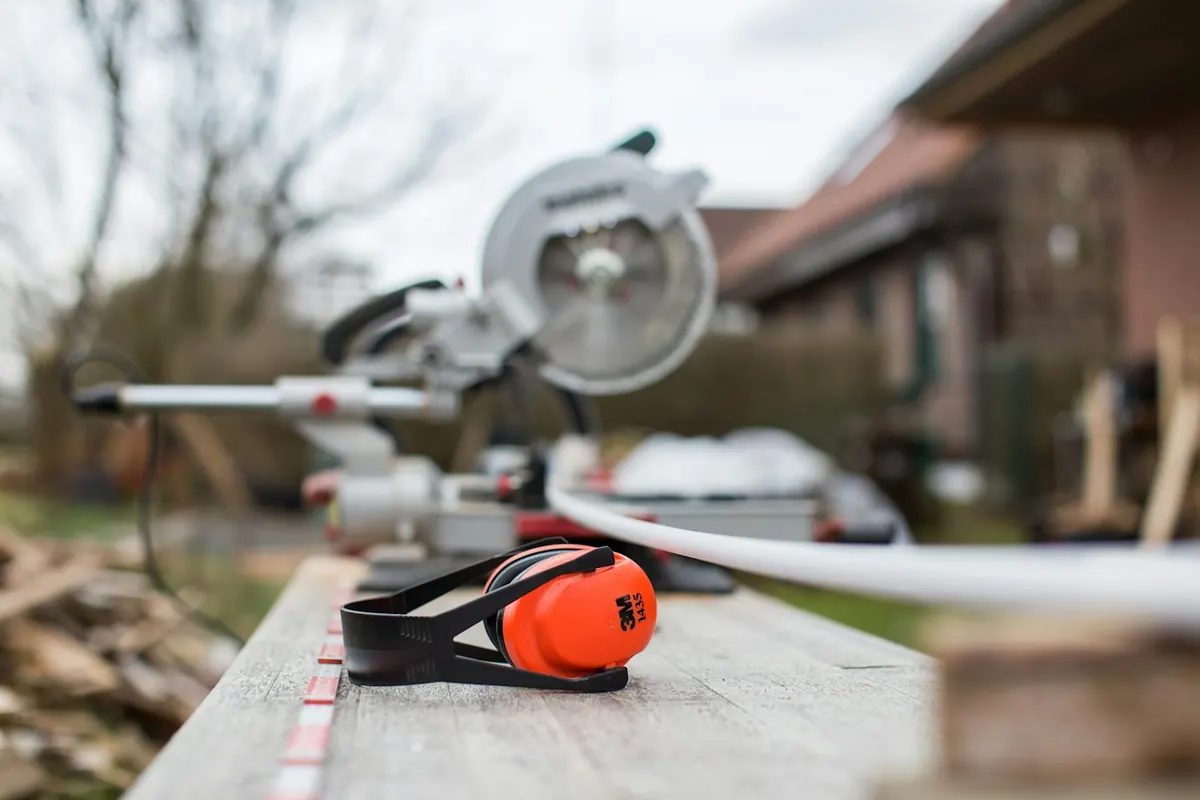
How it works
NIOSH sets a recommended exposure limit of 85 dBA averaged over 8 hours. Every 3 dB increase halves the allowed time. So 88 dBA is allowed for 4 hours, 91 dBA for 2 hours and 100 dBA for 15 minutes. The calculator finds the allowed time T = 480 ÷ 2^((L − 85) ÷ 3) for each level, then adds up actual minutes ÷ allowed minutes. 100% is the full daily dose.
Typical noise levels
| Tool | dBA |
|---|---|
| Cordless drill | 80–90 |
| Circular saw | 100–105 |
| Table saw | 95–105 |
| Angle grinder | 95–105 |
| Router | 95–100 |
| Gas leaf blower (at the ear) | 95–105 |
| Chain saw | 105–115 |
| Gas lawn mower | 85–95 |
| Nail gun (impulse peak higher) | 90–100 |
Typical ranges at the operator position. Your tool may differ, so check the manual or measure it with a sound meter app.
Questions
Is OSHA different?
Yes. OSHA’s legal limit for workplaces is 90 dBA with a 5 dB exchange rate (29 CFR 1910.95). NIOSH’s 85 dBA / 3 dB limit is stricter and is the recommended limit for protecting hearing.
Does hearing protection count?
This calculator shows the dose at your ear without protection. Earplugs or earmuffs lower it. Real protection is usually well below the label rating, so NIOSH suggests derating it.
Sources
Injury data for these tools
 Grinders, buffers & polishersLaceration40,246
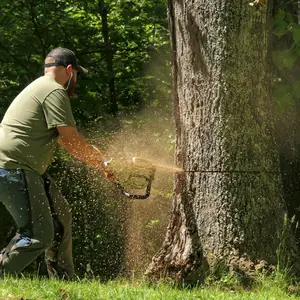 Chain sawsLaceration29,535
 String trimmers & brushcuttersLaceration16,067
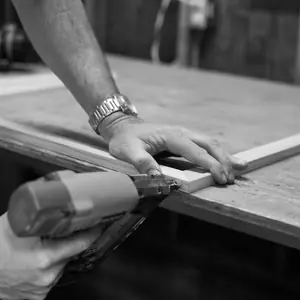 Nail gunsPuncture10,860
 Hedge trimmersLaceration10,021
 Leaf blowersFracture7,366
ER visits in 2025